Trying to decide between a Naples condo and a home in an HOA community? You are not alone. Each option offers a distinct lifestyle, different responsibilities, and unique cost drivers that matter in a coastal market. In this guide, you will learn how ownership, fees, insurance, rules, and approvals work in Naples so you can buy with confidence. Let’s dive in.
HOA vs condo at a glance
| Topic | Condominium Association | Single-family HOA |
|---|---|---|
| What you own | Interior unit plus a share of common elements | Home and the lot; HOA owns common areas |
| Exterior upkeep | Association typically maintains exterior, roof, and structure | Owners usually handle exterior and yard unless HOA includes services |
| Monthly fees | Often higher where buildings, staffing, and amenities are extensive | Varies with amenities; usually covers common areas and gates |
| Insurance | Master policy covers building exterior and common elements; owners carry HO-6 | Owners carry full homeowner policy; HOA insures common areas |
| Rules focus | Interior use, noise, parking, elevators, lobby/common areas | Exterior appearance, landscaping, parking, vehicles |
| Approvals | Buyer application and board approval common | Buyer application often required; policies vary |
| Rentals | Frequently stricter on short-term rentals | Policies vary by community; many have limits |
What you own
In a condo, you typically own the interior of your unit and a fractional interest in shared elements, like hallways, roofs, and mechanicals. The exact boundary is defined in the declaration and can vary by building.
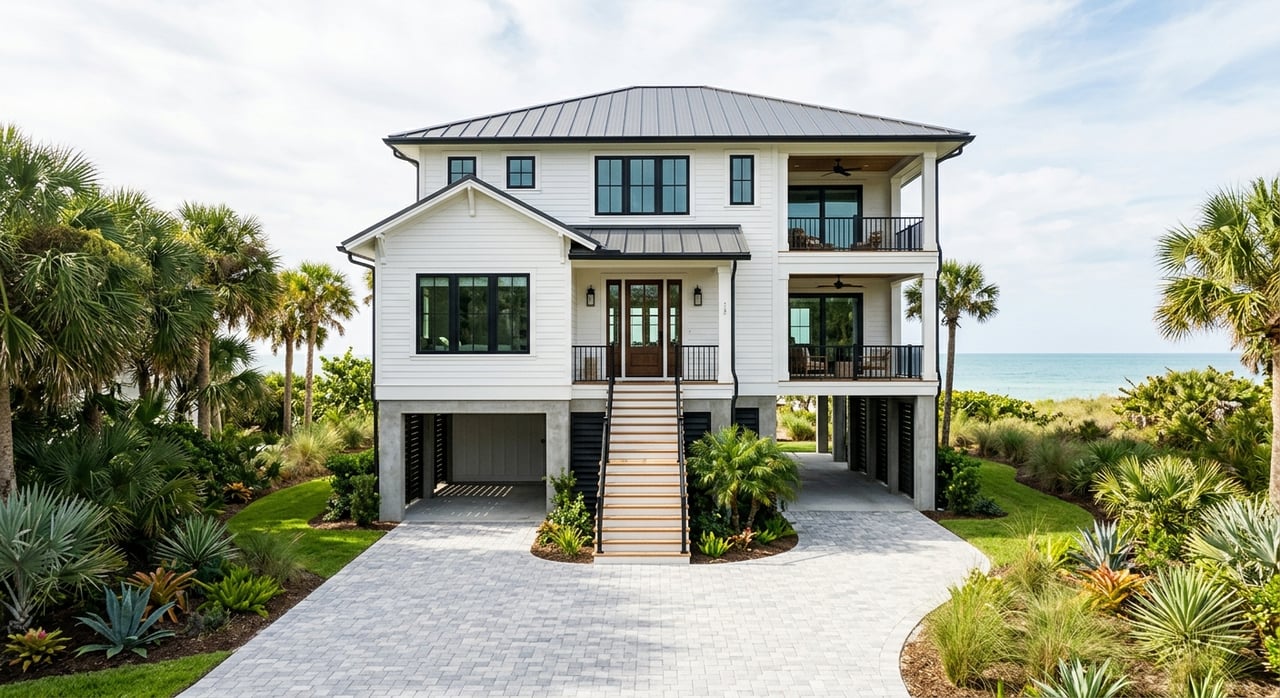
In a single-family HOA, you own the home and the land it sits on. The association owns and maintains the community’s common areas, such as gates, landscaping, roads, and amenities.
These differences shape both your responsibilities and your insurance needs.
Maintenance responsibilities
Condo associations usually maintain the building exterior, roof, structural elements, elevators, and other shared systems. You handle interior repairs and contents, and sometimes specific interior finishes based on the declaration.
In an HOA, you typically maintain your home exterior and yard. Some HOAs include services like lawn care or exterior painting, so it is important to confirm what is covered in the budget and rules.
If you want less hands-on maintenance, a condo can lighten the load. If you prefer control over your property and outdoor space, an HOA home may fit better.
Fees and reserves
Monthly fees cover different items depending on the community and its amenities. Condo fees often fund building insurance, common area upkeep, landscaping, security, amenity staffing, and reserves. HOA fees usually fund common area maintenance, gates, and amenities, with owners paying individual utilities and full homeowner insurance.
Both condos and HOAs should maintain reserves for capital projects. In Naples, fee levels vary with the age of the property, amenity level, insurance costs, and recent projects. Waterfront and high-rise properties may carry higher costs due to staffing, building systems, and insurance.
Focus on why fees are what they are. Review the current operating budget, reserve study, and any history of special assessments to understand long-term costs.
Insurance essentials in Florida
Insurance is a major driver of total cost in Southwest Florida. In condos, the association typically carries a master policy for the building exterior and common elements. You will likely need an HO-6 policy for interior finishes, contents, and liability. Windstorm deductibles on the master policy can be significant and can sometimes be passed to owners after a storm, depending on the documents.
In HOAs, you carry a full homeowner policy for your dwelling and separate flood insurance if required. The HOA insures common areas only. Premiums and deductibles are influenced by hurricane and flood risk.
- For context on insurance types and costs, review guidance from the Florida Department of Financial Services.
- To check flood zones for a property, use the FEMA Flood Map Service Center.
Ask for the master policy summary, wind and hurricane deductibles, and whether deductibles can be assessed to owners.
Rules, governance, and approvals
Both condos and HOAs are governed by elected boards that enforce the declaration, bylaws, and rules. Condos often have detailed rules for interior use, noise, parking, and shared spaces because of closer living. HOAs often focus on exterior appearance, landscaping, vehicles, and driveway rules.
Buyer approvals, applications, and background checks are common. Resale packets list fees, assessments, reserve details, rules, and any litigation. Florida law outlines governance for condominiums in Chapter 718, Florida Statutes and for HOAs in Chapter 720, Florida Statutes.
You can also reference industry guidance from the Community Associations Institute and consumer resources from Florida Realtors for plain-language explanations of associations and resale disclosures.
Amenities and lifestyle
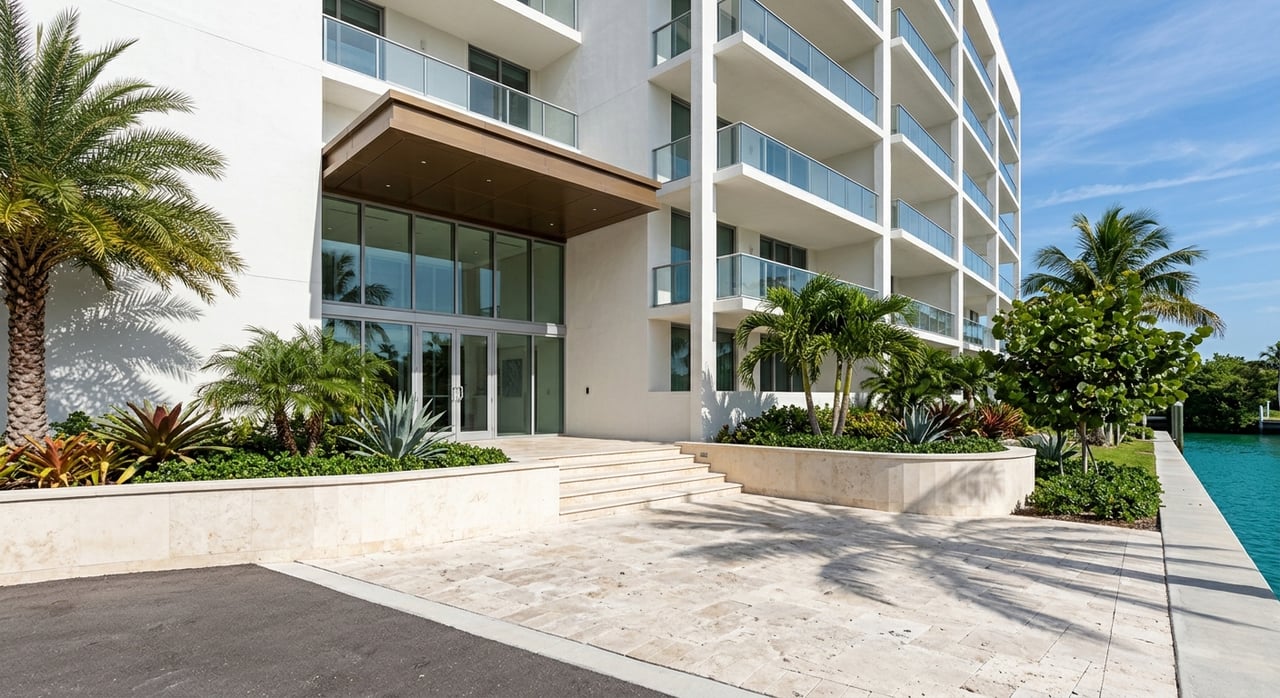
Condo buildings often provide on-site amenities like pools, fitness, staff, and secured entries, which adds convenience and drives fees. You will live in closer proximity to neighbors and follow more detailed common-space rules.
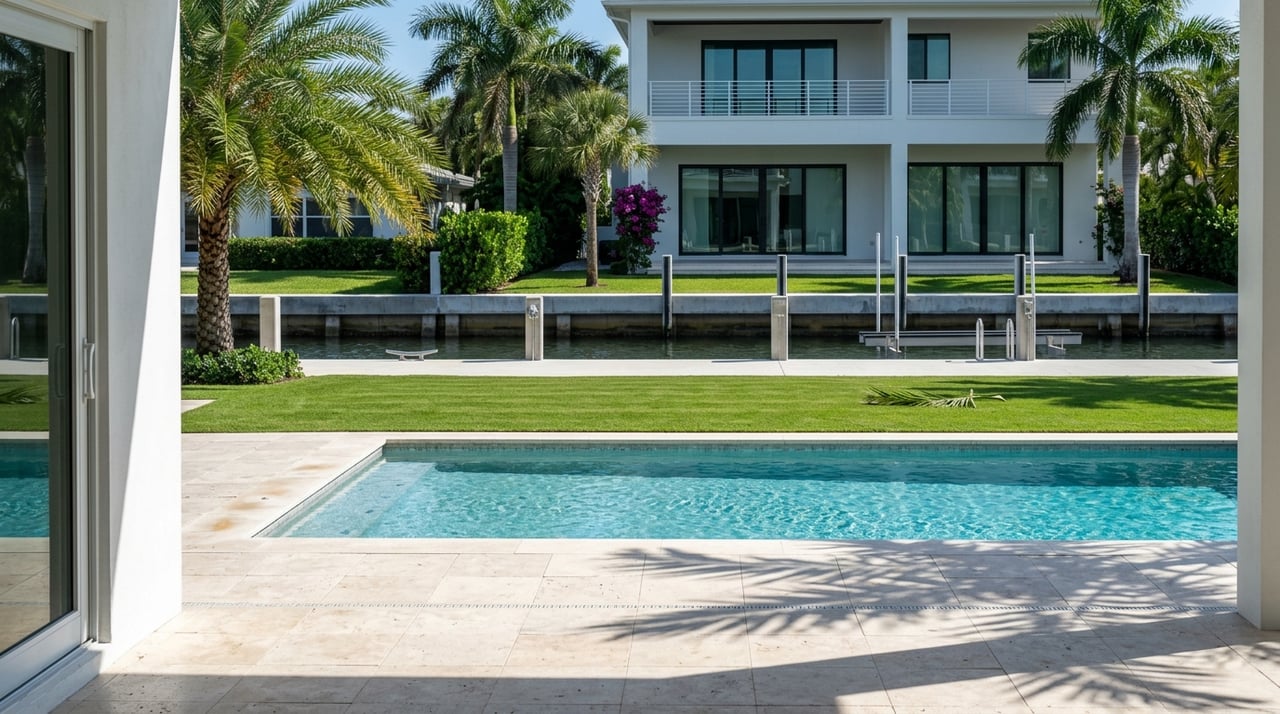
Single-family HOA communities may offer clubhouses, golf, trails, or marinas. You gain more privacy and control over your home, with rules tailored to curb appeal and community standards.
If you plan to rent seasonally, confirm the association’s rental rules. Many condos limit the number of leases per year or set minimum lease terms. HOAs vary. Verify both association rules and any local requirements if short-term rental income matters to your plan.
Naples factors to weigh
Naples is coastal, which affects risk, insurance, and inspections. Verify flood zones and understand how wind and storm deductibles are handled. Florida’s insurance market has experienced cost pressure, which can affect association budgets and special assessments.
For older or high-rise condos, there is more focus on structural safety in the post-Surfside environment. Buyers, lenders, and local governments pay closer attention to inspections, reserves, and major repair plans. For context on statewide scrutiny following the Surfside collapse, see reporting summarized by the Miami Herald.
If you are looking at a marina or waterfront community, consider seawall and dock maintenance responsibilities, as well as any community-specific fees for slips or upland facilities.
Your due diligence checklist
Request these items as early as possible to avoid surprises:
- Declaration, bylaws, and rules and regulations
- Current budget, financial statements, and reserve study with balance
- Master insurance summary, including wind and hurricane deductibles
- Minutes from the last 12 to 24 months of board meetings
- List of planned capital projects and how they will be funded
- Any pending or recent special assessments
- Litigation disclosure and status
- Any recent engineering or structural inspection reports
- Resale certificate or estoppel letter with fee and assessment status
Key questions to ask:
- What exactly does the monthly fee cover, including utilities and services?
- Are capital projects planned, and how will they be funded?
- What is the current reserve funding level and date of the last study?
- What are the rental rules, including minimum terms and number of leases per year?
- What are the rules for pets, parking, and guests?
- Has the association raised fees or levied special assessments in the past five years?
- Is there any ongoing or threatened litigation?
- For condos, when was the last structural inspection and what were the findings?
Use county tools to confirm property-specific data. For tax history and parcel details, look up the address on the Collier County Property Appraiser. For escrow and closing items related to associations, review consumer guidance from Florida Realtors.
Timeline tips for closings
Association approvals can take days to several weeks. Build that into your contract and loan timelines. Request the resale packet right after going under contract and set clear approval contingency dates.
Expect application fees and processing windows. If you are out of state, confirm whether the association and property manager will handle digital submissions and remote interviews.
If you are buying a condo in an older building, allow time to review engineering reports and any upcoming project plans before you clear contingencies.
Choosing the right fit
If you want lock-and-leave ease and on-site amenities, a condo may be your best match. Expect more shared rules and a fee that reflects building-wide services and insurance. If you want privacy, control over your home, and a yard, an HOA community can be ideal, with fees focused on common areas and amenities.
Either way, the best decision is based on documents, not generalities. Study the budget, reserves, insurance, and rules before you commit.
FAQs
What is the key ownership difference between a Naples condo and an HOA home?
- In a condo you own the interior unit plus a share of common elements, while in an HOA you own the home and the lot and the association owns common areas.
How do monthly fees usually differ between condos and HOAs in Naples?
- Condo fees often cover building insurance, common systems, and staffing, while HOA fees fund common areas and amenities with owners paying for full homeowner insurance and most utilities.
What insurance does a Naples condo buyer need besides the association’s master policy?
- Most condo owners carry an HO-6 policy for interior finishes, contents, and liability, and may need separate flood coverage depending on flood zone and master policy details.
Are short-term rentals typically allowed in Naples condos and HOAs?
- Many condos limit short-term rentals with minimum lease terms and a cap on leases per year, while HOA policies vary and should be confirmed in the rules and regulations.
How long does buyer approval usually take with Naples associations?
- Approvals can take from several days to a few weeks, so request the resale packet early and build adequate time into your contract contingencies.
What are the biggest red flags in association due diligence?
- Low reserves, planned but unfunded capital projects, frequent special assessments, high wind deductibles that can be passed to owners, and ongoing litigation are all warning signs.
Ready to compare specific Naples communities side by side and review the right documents with an expert eye? Connect with Jonathan Gunger for technically informed guidance on fees, reserves, insurance, and structural considerations so you can buy with confidence.