Wondering whether a condo or a house on Fort Myers Beach will cost more to own each year? On a barrier island, the monthly payment is only part of the picture. Insurance, flood risk, HOA dues, maintenance, and even seawalls can shift your total cost in a big way. In this guide, you’ll learn how each cost category differs locally, what to review before you buy, and a simple way to build a line‑by‑line budget so you can compare with confidence. Let’s dive in.
Condo vs house: what drives total cost
Your total annual cost comes from several buckets: property taxes, insurance and flood, HOA or condo dues, utilities, maintenance and reserves, financing, and one‑off items like special assessments or repairs. The mix is different for condos and single‑family homes on Fort Myers Beach.
- Condos: You’ll likely pay higher fixed dues that cover exterior structure, common areas, and the building’s master insurance. Your personal policy focuses on interiors and contents. Shared systems reduce your private maintenance, but special assessments can occur.
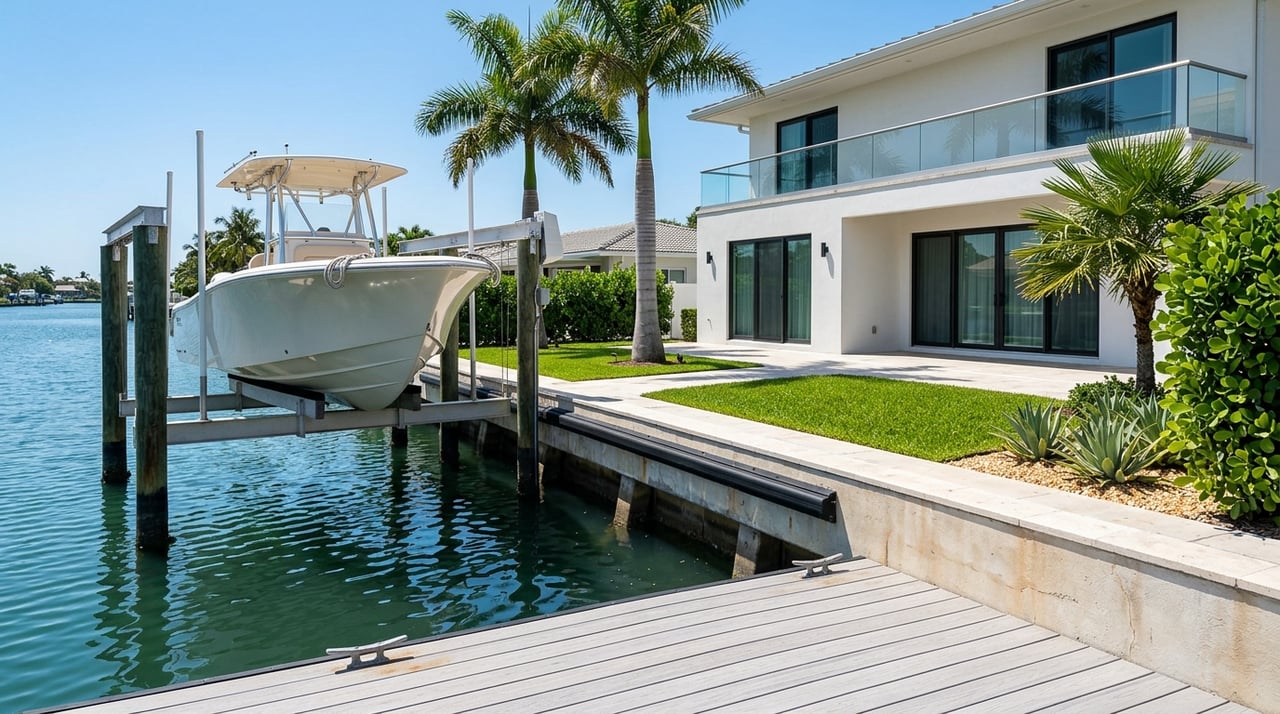
- Houses: You avoid condo dues, but you take on full maintenance for roof, exterior, systems, and any seawall or dock. Insurance and flood can be higher due to full structure coverage and coastal exposure.
Property taxes in Lee County
Both condos and houses pay Lee County property taxes. Taxes are based on the assessed value of your unit or parcel, plus applicable millage rates and any special district assessments. Many second homes do not qualify for Florida’s homestead exemption, so plan your budget using the property’s current assessed value and rates from the county. Ask for the latest tax bill and parcel details before you finalize numbers.
Insurance: what changes on the beach
Hurricanes and storm surge are the primary drivers of coastal insurance costs. On Fort Myers Beach, the type of property changes how coverage is structured.
Condo coverage
- Association master policy: Covers the building exterior and common elements. It carries a wind or hurricane deductible that the association may allocate to owners if triggered.
- Unitowner’s HO‑6 policy: Covers interiors, finishes, personal property, loss of use, and liability. Confirm whether “betterments and improvements” are included if you upgraded a kitchen or bath.
- Flood for condos: Some associations carry a building‑level flood policy, often called a Residential Condominium Building Association Policy. Even with it, you may still need contents and interior improvements coverage.
Single‑family home coverage
- Homeowners policy: Covers the entire dwelling and site. Coastal proximity and building characteristics influence premiums.
- Hurricane deductible: Often a percentage of dwelling coverage. Plan for this as a potential cash need after a storm.
- Flood for houses: Required with most mortgages in Special Flood Hazard Areas. Premiums vary by flood zone and elevation. An elevation certificate can help you get accurate quotes.
Key insurance questions to ask
- What exactly does the condo’s master policy cover, and what are the deductibles?
- Is the property in a Special Flood Hazard Area or a V zone? Do you have an elevation certificate?
- What are typical wind and flood premiums and deductibles for similar nearby properties?
- Has the building or home had major wind or flood claims, and were there special assessments?
- Are mitigation features present that could influence premiums, such as opening protections or elevated construction?
HOA and condo dues: what to expect
For condos, dues are often the biggest recurring difference compared with a house. They commonly include exterior maintenance, common‑area utilities, and the master insurance policy. Dues also fund reserves for future capital work.
- Review the association’s budget, reserve study, and financials. If reserves are underfunded, owners can face special assessments for roof, elevator, balconies, or other major projects.
- For single‑family homes, dues depend on the community. Some neighborhoods charge for shared amenities or seawall upkeep. Homes outside an HOA have no monthly dues, but you carry full maintenance responsibility.
Special assessments and capital projects
Condo owners share building systems and costs, which brings benefits and risks. If reserves are low or new mandates require upgrades, you can see special assessments. Ask for the last 12 to 24 months of board meeting minutes, recent engineering reports, and the association’s assessment history. For houses, large one‑time costs can arise from roofs, seawalls, or storm repairs. Budget a reserve so you are not surprised.
Maintenance and reserves
Salt air, wind, and sun increase wear on coastal properties. Plan realistically for upkeep.
For condos
- Interior maintenance is your responsibility. The association handles the exterior and shared systems.
- A planning figure of 0.5 to 1.5 percent of the unit’s value per year for interior upkeep and potential assessments can be useful while you verify the association’s reserves and project plans.
For houses
- You maintain the full structure and site: roof, exterior, HVAC, driveway, landscaping, and any seawall or dock.
- A common guidance is 1 to 3 percent of property value per year for maintenance and capital reserves. On a barrier island, consider the higher end of that range until you confirm recent improvements and component ages.
Utilities and services
Electricity, water and sewer, internet, trash, and pest control should be part of your annual plan. A condo association may include some utilities such as water and trash in dues. Air conditioning drives much of the electric use in coastal Florida, and seasonal occupancy can change annual averages. Ask for the last 12 months of utility bills when possible.
Financing and resale factors
Condos can face stricter lending terms, especially in older buildings or those without certain approvals. Some lenders may require larger down payments or different rates for specific condo projects. Houses typically have fewer project‑level lending hurdles, though coastal insurance and flood requirements still affect overall carrying cost. If you plan to finance, get side‑by‑side quotes for both property types so you can compare true monthly and annual impact.
Short‑term rentals and compliance costs
Fort Myers Beach regulates short‑term rentals. If you intend to rent, confirm licensing requirements, safety rules, minimum stays, parking and occupancy standards, and local tourist tax obligations. Rentals can offset carrying costs, but they also add wear and regulatory overhead. Review the association’s rental rules if buying a condo.
Build your budget step by step
Use the same framework for a condo and a house, then plug in local numbers from documents and quotes.
- Fixed recurring costs
- Property taxes: Use the property’s current assessed value and millage rates from Lee County.
- Insurance: Quote homeowners or HO‑6, plus separate flood if needed. Note hurricane and flood deductibles.
- HOA or condo dues: Record the monthly amount and what it covers. Identify the reserve component.
- Mortgage principal and interest: If financing, include lender quotes for each property type.
- Utilities and services
- Electricity, water and sewer, trash, internet and cable, security monitoring.
- Service contracts: HVAC maintenance, pest control. Pool service if you have a private pool at a house.
- Maintenance and capital reserves
- House: 1 to 3 percent of property value per year as a planning figure.
- Condo: 0.5 to 1.5 percent of unit value per year for interiors and potential assessments. Verify reserves instead of relying only on a rule of thumb.
- Site‑specific items: Seawall, dock, or boathouse maintenance if applicable.
- Irregular or one‑time items
- Special assessments for condos, major roof or exterior repairs for houses.
- Mitigation upgrades such as hurricane shutters, generators, or floodproofing measures.
Add these together for each scenario. Compare annual totals and note your out‑of‑pocket exposure to deductibles after a storm.
Must‑have documents and checks
Collect documents early so your budget reflects real numbers, not estimates.
If you are buying a condo
- Association budget, balance sheet, and last audited financial statement
- Reserve study: age, scope, and percent funded
- Board meeting minutes from the last 12 to 24 months
- Declaration, bylaws, and rules: rentals, insurance requirements, pets
- Insurance declarations for the master policy: limits, deductibles, and whether interiors are covered
- Flood policy status for the building and any elevation documentation
- Special assessment history and pending projects
- Building inspection reports, roof age, elevator contracts, and any deferred maintenance disclosures
If you are buying a single‑family home
- Current property tax bill and parcel details
- Survey and elevation certificate
- Seawall, dock, and bulkhead age and maintenance records if present
- Utility bills for the last 12 months
- Inspection reports for roof, HVAC, structure, and any salt‑water corrosion issues
- Records of prior hurricane or flood damage and claims history
When a condo may cost less overall
- The association maintains strong reserves and carries robust master insurance and a building‑level flood policy.
- You want lower personal responsibility for exterior components like roof, elevator, or building envelope.
- You value predictable fixed dues and are comfortable reviewing reserve studies and potential assessment risk.
When a house may pencil out
- You prefer no monthly condo dues and want control over maintenance timing and scope.
- You can budget for higher insurance and flood coverage tailored to a full structure.
- You understand site‑specific items such as seawalls or docks and can plan reserves accordingly.
Common pitfalls to avoid
- Ignoring hurricane and flood deductibles in your cash reserve plan.
- Skimming the condo reserve study or not checking special assessment history.
- Assuming flood insurance is optional on a barrier island property with a mortgage.
- Forgetting seawall or shoreline maintenance where applicable.
- Relying on generic maintenance budgets without checking component ages and recent improvements.
The bottom line
On Fort Myers Beach, your total cost is shaped by coastal risk, building type, and how well the association or property has planned for long‑term maintenance. Build a budget using actual documents and quotes, not averages. If you want help pressure‑testing numbers or assessing seawalls, structures, and permitting risk before you write an offer, connect with Jonathan Gunger for contractor‑level guidance tailored to your goals.
FAQs
What costs make condos more expensive to own on Fort Myers Beach?
- Condo dues and potential special assessments often outweigh savings on exterior maintenance, depending on reserves and upcoming capital projects.
Do I need flood insurance for a Fort Myers Beach condo unit?
- If the building is in a Special Flood Hazard Area and you have a mortgage, flood insurance is generally required, and contents or interior coverage may be needed even if the association carries a building policy.
How should I budget maintenance for a coastal single‑family home?
- A planning range of 1 to 3 percent of property value per year is common, adjusted for exposure, component age, and any seawall or dock responsibilities.
What insurance documents should I request for a condo?
- Ask for the association’s master policy declarations, a certificate of insurance showing deductibles and limits, and any building flood policy details.
How do Lee County property taxes differ for condos vs houses?
- Both pay the same millage environment, but taxes are calculated on the assessed value of your specific unit or parcel, so actual bills vary with assessed value.
Why do condo special assessments happen on barrier islands?
- Assessments occur when reserves are insufficient for major work such as roofs, structural repairs, or mandated upgrades, which are more common in coastal environments.