If you picture Fort Myers Beach as the same experience year-round, you may be surprised by how much the seasons shape daily life. For many owners, especially second-home buyers, the appeal is not just the beach itself but knowing how to enjoy the best months and plan smartly for the rest of the year. This guide will help you understand the seasonal rhythm, what daily living looks like in peak months, and how to think about off-season property care so you can make more confident decisions. Let’s dive in.
Fort Myers Beach Follows a Seasonal Rhythm
Fort Myers Beach is often lived most fully in winter and spring. Nearby NOAA climate normals for Fort Myers Page Field show average daily highs around 75°F in January, 78°F in February, 81°F in March, and 85°F in April. By contrast, average highs run roughly 89°F to 92°F from May through August, and rainfall climbs sharply in summer.
That weather pattern matters because June through September bring much heavier precipitation, around 9 to 10.4 inches per month, compared with roughly 1.8 to 2.4 inches from January through April. Hurricane season officially runs from June 1 through November 30, with peak activity from mid-August to mid-October. In practical terms, many seasonal owners treat summer as the time for maintenance, travel, and storm preparation.
Peak Season Living on the Island
During the cooler months, life on Fort Myers Beach tends to feel more active and more walkable. Winter and spring are when many seasonal residents return, outdoor routines feel easier, and island amenities line up with that demand. This is also when transportation options are most supportive of day-to-day living without relying on your car for every short trip.
The Town’s LeeTran beach trolley operates from November through April, about every 35 minutes. There is also a free LeeTran trolley that connects much of the island during that season. If you are considering a seasonal property, proximity to a trolley stop can be a practical detail, not just a convenience.
Getting Around and Parking
Parking is a real part of the Fort Myers Beach lifestyle, especially in busier months. Town-managed parking is paid and marked by official signage, with spaces listed by the Town at $5 per hour plus a 25-cent service fee. Enforcement runs daily from 9:00 a.m. to 9:00 p.m.
If you plan to spend a lot of time near the beach hub, it helps to know your parking options before you buy. Some owners prefer a property location that lets them walk more often, while others prioritize easy in-and-out access for errands and guests. That decision can affect how a home feels in season just as much as square footage or views.
Times Square and Everyday Activity
Times Square is the best-known walkable core on Fort Myers Beach. Visit Fort Myers describes it as a Gulf-front area with shopping, beach shops, restaurants, and nightly entertainment. Nearby parking is available at Lynn Hall Memorial Park.
The broader Fort Myers Beach area also includes a mix of resorts, restaurants, hotels, and public beach spaces such as Bowditch Point Park, Crescent Beach Family Park, Lovers Key State Park, and Lynn Hall Memorial Park. For seasonal residents, that means your daily routine can range from beach walks and casual dining to evening entertainment and waterfront outings, often without going far.
Shopping and Dining Patterns
You can handle many beach-day needs on the island, but larger shopping trips are generally off-island. Visit Fort Myers identifies major retail centers such as Tanger Outlets and Gulf Coast Town Center as regional shopping destinations. That is useful to know if you are comparing an island condo with a mainland option and trying to picture your weekly routine.
Dining is part of the lifestyle equation too. Local options include beach-casual seafood spots, waterfront restaurants, and live-music venues. For many seasonal owners, that mix supports a simple pattern of morning beach time, afternoon errands, and relaxed evenings close to home.
Boating Is Part of Daily Life
On Fort Myers Beach, boating is not just an occasional extra. Visit Fort Myers notes that local marinas support charter and sightseeing cruises, island-hopping, eco tours, dolphin cruises, and fishing outings. Lovers Key State Park, just south of Fort Myers Beach, also offers fishing and cast-netting programs.
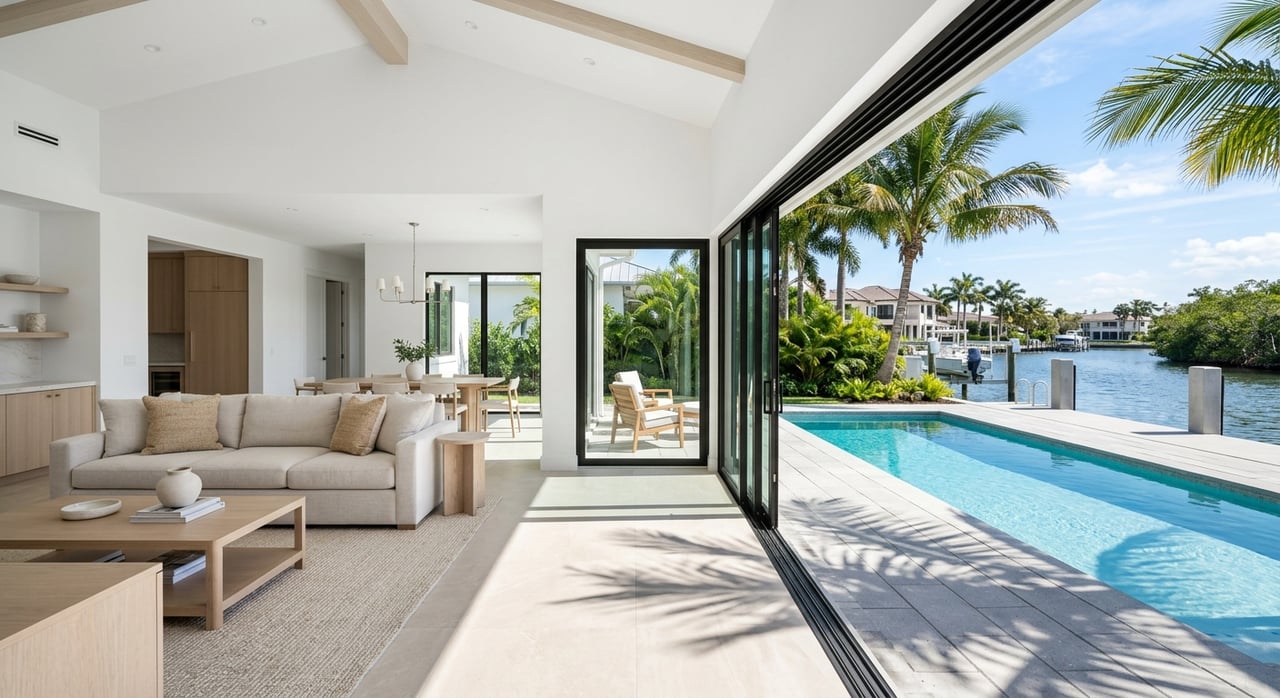
If you are shopping for a property here, boating access may shape your priorities more than you expect. A buyer may focus on dockage, water access, or nearby marina options, while another may simply want easy access to on-water activities without the upkeep of private waterfront infrastructure. Either way, the boating component is part of how many owners actually use the area.
Off-Season Ownership Takes Planning
Seasonal living on Fort Myers Beach is as much about care and preparation as it is about sunshine. When a home sits vacant in coastal Southwest Florida, moisture, mildew, pests, and storm exposure can become bigger concerns. That is why UF/IFAS guidance emphasizes leaving a home clean, dry, and monitored, with preparation starting several weeks before departure.
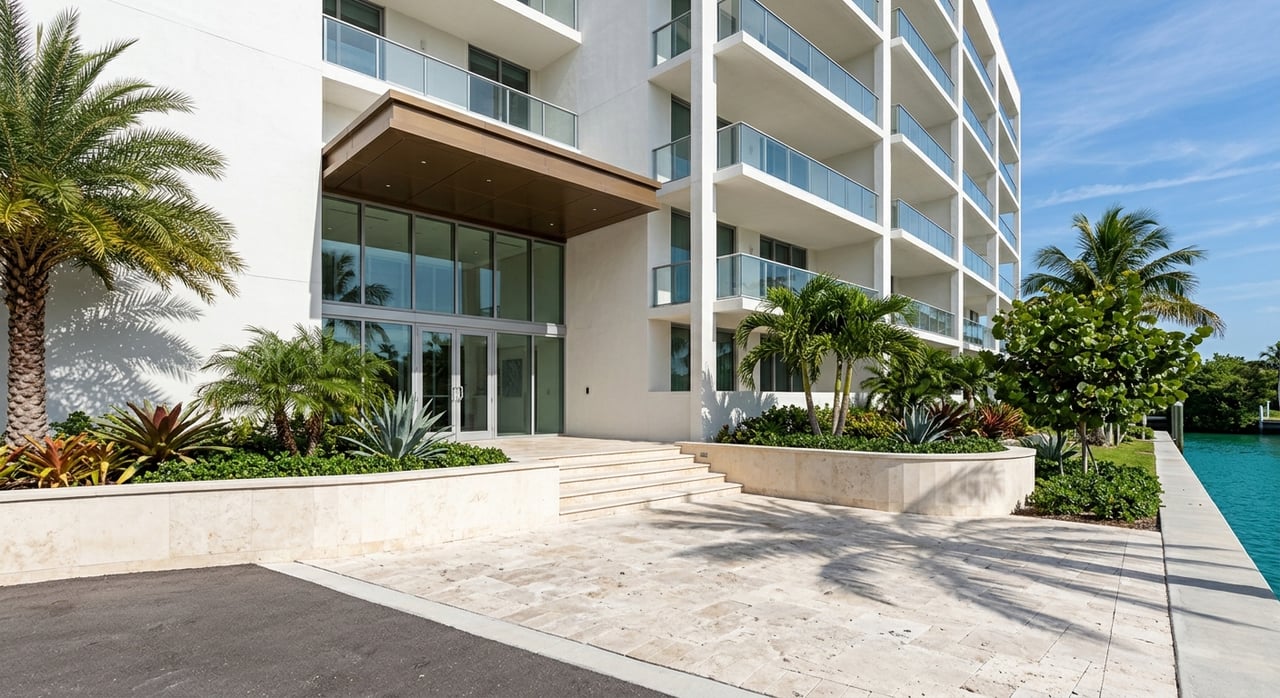
This is one area where property type can matter. UF/IFAS notes that many condominium communities handle some exterior maintenance, which can make condo ownership easier for seasonal use. For buyers weighing a condo against a single-family home, that may be an important practical advantage.
Key Closing Tasks Before You Leave
A well-managed departure plan can reduce headaches when you return. Common off-season tasks drawn from UF/IFAS guidance include:
- Service the air-conditioning system before leaving and keep humidity under control.
- Clean the refrigerator, freezer, dishwasher, and disposal before departure.
- Turn off the water supply at the exterior meter unless irrigation requires it.
- Arrange regular mowing, trimming, and pool service.
- Secure or store lanai furniture and other outdoor items.
- Update insurance details, home inventories, timers, and security systems.
Lee County also advises owners to turn off the water supply before evacuating for a hurricane to help reduce the risk of burst-pipe damage. That local guidance is especially relevant if the home will be empty during storm season.
Insurance Questions Matter
Seasonal owners should review insurance carefully rather than assume every risk is covered. Florida Disaster notes that flood damage is not usually covered by a standard homeowners insurance policy. For a coastal property, understanding the details of wind and flood coverage is part of responsible ownership.
For buyers, this means insurance should be part of your early due diligence, not an afterthought. For sellers, clear records around maintenance and property care can help reassure a buyer who wants a home that feels truly manageable from a distance.
A Smart Arrival Checklist
When you return for the season, it helps to think in reverse. Before settling in, do a quick exterior and interior walkthrough to check for leaks, storm wear, or salt-related issues. Then reopen water and restart appliances carefully rather than all at once.
UF/IFAS-based best practices also support restarting your AC and dehumidification early and confirming that alarms, timers, and shutters are working properly. A simple arrival routine can help you catch small issues before they become expensive ones.
What Buyers Should Ask Before Purchasing
A seasonal home should fit the way you will actually live, not just the way it looks in photos. On Fort Myers Beach, the smartest questions often come down to logistics and resilience. Those details can shape your ownership experience every bit as much as location or finishes.
Here are a few practical questions worth asking:
- How easy is parking at the property and nearby beach areas?
- Is there a trolley stop nearby for winter and spring use?
- Who handles exterior maintenance when you are away?
- What are the HOA or condo rules for seasonal owners?
- How is the property insured for wind and flood risk?
For coastal and seasonal properties, these questions help you understand not just lifestyle but long-term manageability. That kind of clarity is especially valuable if you are buying from out of state or evaluating a second home you will not occupy year-round.
What Sellers Can Do to Stand Out
If you own a seasonal property on Fort Myers Beach, presentation matters, but maintenance credibility matters too. UF/IFAS guidance points to moisture control, clean mechanical systems, and a tidy exterior as important parts of making a property feel low-maintenance. Buyers often respond well when a home feels cared for in a practical, documented way.
For many sellers, the highest-value prep is not cosmetic alone. A clean service record, visible attention to humidity control, and a solid plan for exterior upkeep can strengthen buyer confidence. In a seasonal market, buyers are often looking for a home they can enjoy without inheriting avoidable maintenance problems.
Why Seasonal Knowledge Helps You Buy Better
Fort Myers Beach offers a very specific style of coastal living. The best experience often comes from matching your property choice to the area’s real seasonal patterns, from winter convenience to summer storm planning. When you understand how the island works month to month, you can buy or sell with fewer surprises and better expectations.
That is especially true for waterfront and coastal homes, where lifestyle and property performance go hand in hand. If you want practical guidance on evaluating a seasonal condo, waterfront home, or resale strategy in Fort Myers Beach, Jonathan Gunger can help you look beyond surface appeal and focus on the details that matter.
FAQs
What is seasonal living like on Fort Myers Beach?
- Seasonal living on Fort Myers Beach usually means enjoying the cooler winter and spring months on the island, then using summer for travel, maintenance, and storm preparation.
What months are most popular on Fort Myers Beach?
- Winter and spring are typically the most comfortable and active months, with average highs around 75°F to 85°F from January through April.
What should seasonal homeowners do before leaving Fort Myers Beach?
- Seasonal homeowners should service the AC, manage humidity, clean appliances, turn off water where appropriate, arrange lawn and pool care, secure outdoor items, and review insurance and security systems.
What transportation options help seasonal owners on Fort Myers Beach?
- From November through April, seasonal owners can use the LeeTran beach trolley service, and many buyers also consider walkability and proximity to trolley stops when choosing a property.
What should buyers ask about a seasonal property on Fort Myers Beach?
- Buyers should ask about parking, trolley access, exterior maintenance responsibilities, HOA or condo rules, and how the property is insured for wind and flood risk.
Why can condo ownership be easier for seasonal living on Fort Myers Beach?
- UF/IFAS notes that many condominium communities handle some exterior maintenance, which can make condos simpler to manage when you are away for part of the year.