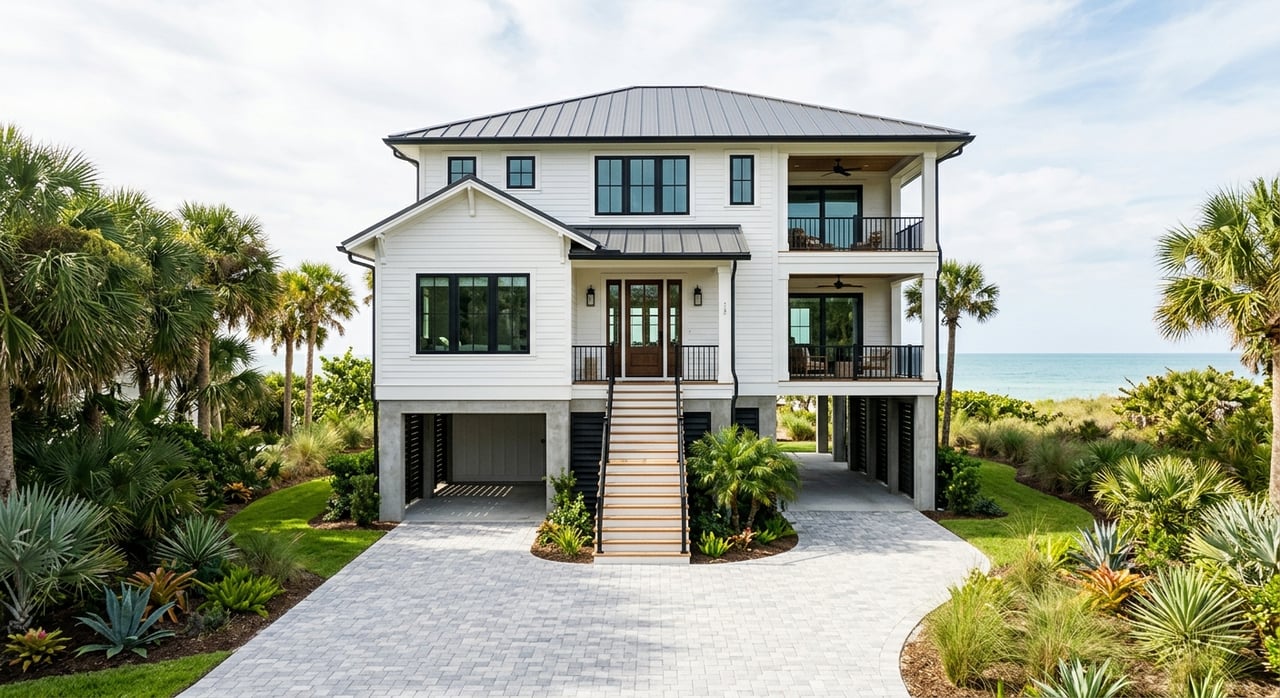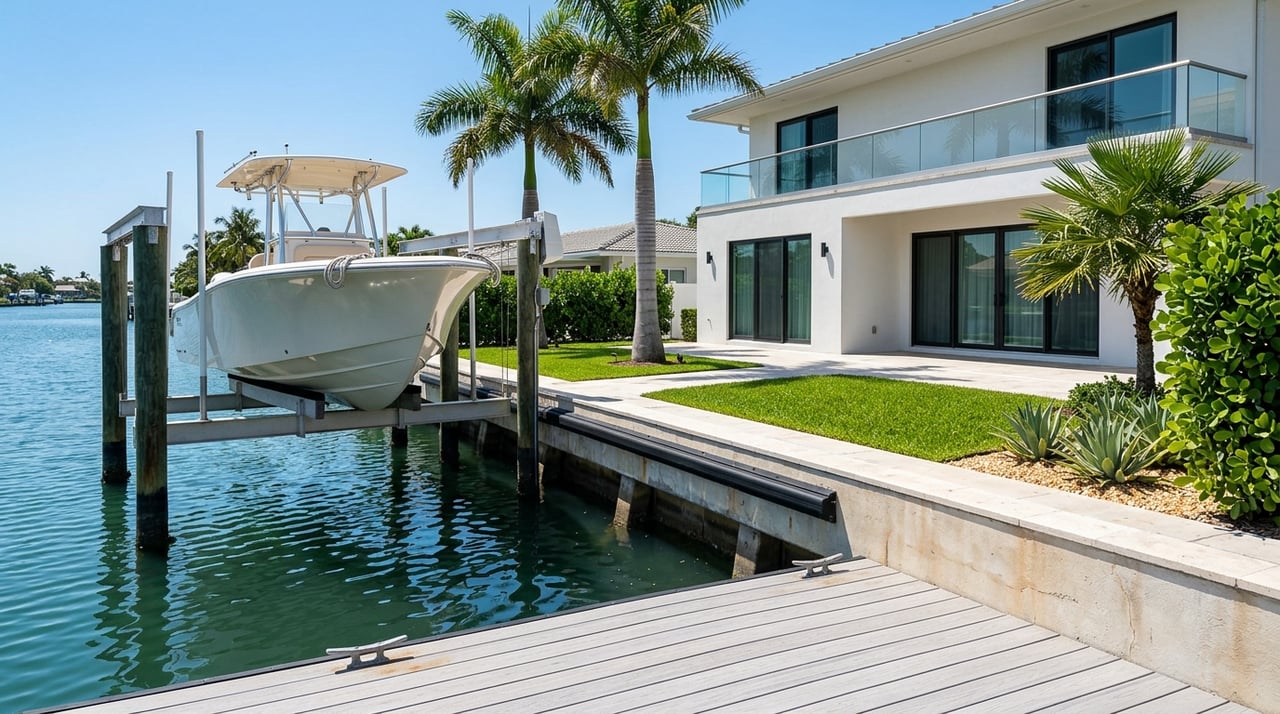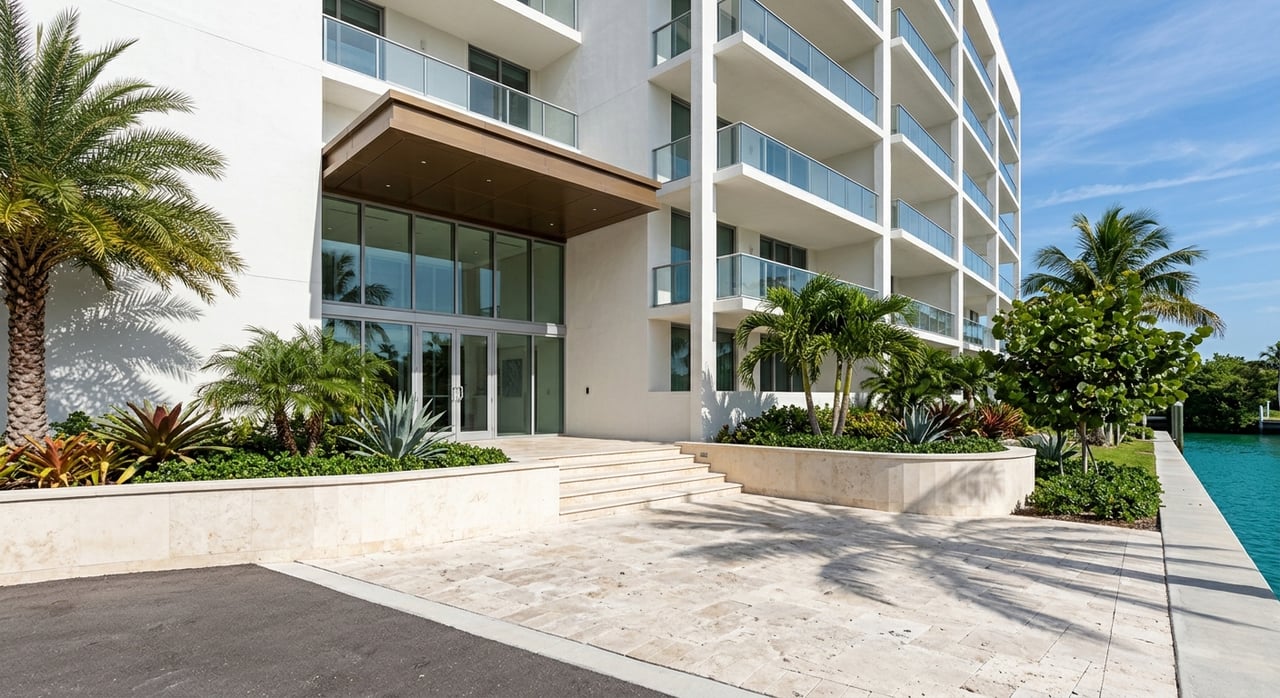
If you are deciding between a Naples waterfront condo and a waterfront home, you are really choosing how you want to live day to day. Both options can put you close to the water, boating, and the coastal lifestyle that draws so many buyers to Naples, but the ownership experience is very different. When you understand the tradeoffs around privacy, maintenance, amenities, insurance, and long-term costs, you can make a more confident decision. Let’s dive in.
What the choice really comes down to
A waterfront condo and a waterfront home can deliver a similar setting, but they usually serve different priorities. In simple terms, condos often appeal to buyers who want a lower-maintenance setup with shared amenities, while homes tend to appeal to buyers who want more privacy, more control, and space for outdoor living.
In Naples, you can see this contrast clearly across well-known waterfront areas. Park Shore includes a mix of single-family homes, mid-rise residences, and 25 high-rise condominiums, while Pelican Bay is known for a large amenity-rich residential structure spread across many associations. On the home side, areas such as Aqualane Shores, Royal Harbor, and similar canal-front settings are more closely tied to private docks, yard space, and detached living.
Condo lifestyle in Naples
Low-maintenance appeal
One of the biggest advantages of a waterfront condo is ease of ownership. In Florida condominiums, the association is responsible for maintaining, repairing, and replacing common elements and other condominium property it is required to maintain.
That structure can be especially appealing if you are buying a seasonal property or a second home. Many buyers like the ability to lock the door, leave for weeks or months, and return without managing as many moving parts as a detached waterfront property usually requires.
Shared amenities and services
Condos in Naples often package the lifestyle in a way that feels simple and turnkey. Park Shore highlights private beach park access, and Pelican Bay describes amenities that include beaches, beach attendants, beachfront dining, boardwalks, tram service, fitness, and a large network of associations.
For some buyers, that convenience matters as much as the water view itself. If you want a property that combines waterfront living with organized amenities and shared services, a condo can check those boxes efficiently.
Less privacy and less control
The tradeoff is that condo ownership is more collective by nature. You share walls, building systems, and common areas, and Florida law gives associations access to units when needed for maintenance or to help prevent damage.
That does not make condo ownership better or worse. It simply means your lifestyle is more connected to building rules, budgets, and operational decisions than it would be in a detached home.
Waterfront home lifestyle in Naples
More privacy and outdoor space
If privacy is high on your list, a waterfront home usually has the edge. You generally gain separation from neighbors, more yard space, and more freedom to shape how the outdoor areas function.
That can be a major advantage in a market like Naples, where outdoor living is part of the value. Pools, lanais, entertaining space, and direct water access often become central to how you use the property.
Better fit for private boating
For buyers who picture stepping into the backyard and heading out on the water, a home often feels more natural. In Naples waterfront neighborhoods such as Aqualane Shores and Royal Harbor, detached homes are commonly associated with canal frontage, private docks, and boating-oriented use.
This is where the lifestyle difference becomes very practical. Some buyers are happy using a marina option near Downtown or Naples Bay, while others specifically want a dock as part of the property itself.
More control, more responsibility
The same freedom that makes a home attractive also brings more owner responsibility. With a single-family waterfront property in Collier County, you are responsible for the whole parcel, including exterior upkeep and waterfront improvements.
That matters if the property has a seawall, rip rap, or dock. Collier County states that these features usually require U.S. Army Corps of Engineers and Florida Department of Environmental Protection permits before the county issues building permits, so diligence around improvements and future projects is important.
Ownership and maintenance differences
What a condo association handles
In a condo, many major building responsibilities sit with the association. Florida law requires the association to maintain, repair, and replace the portions of the condominium property it is responsible for, and it also requires adequate property insurance for residential condominiums.
That can simplify ownership, but it also means your costs are partly shaped by association budgeting decisions. In buildings that are three stories or higher, structural-integrity reserve study and milestone-inspection rules can influence dues and assessments.
What a home owner handles
With a waterfront home, you control the property more directly, but you also own the upkeep decisions. Roofs, exterior maintenance, landscaping, pools, flood risk planning, and shoreline structures are your responsibility.
This can be a good fit if you value control and do not mind managing projects. It can also create uneven expenses, especially when larger repairs or waterfront work come up.
Insurance and flood considerations
Condo insurance basics
Florida insurance guidance generally describes condo coverage as a walls-in approach. The association's master policy usually covers the exterior structure and common areas, while the unit owner's policy usually covers the interior.
That split is important because many buyers assume a condo association covers everything. It does not, and you still need to understand what belongs under the association policy versus your own policy.
Home insurance basics
For a waterfront home, your insurance picture is broader because you are covering the structure as a whole. Florida guidance also notes that a standard homeowners policy does not cover flood, so flood coverage is separate.
That is true for condo owners as well, but it often feels more direct with detached homes because the owner is carrying more of the property risk personally. Lenders may also require flood insurance depending on the property and loan structure.
Flood maps matter in Naples
For either property type, flood diligence is not optional. The City of Naples states that the 2024 Flood Insurance Rate Maps are in effect for construction and insurance purposes, and Collier County notes that flood-zone changes can depend on elevation certificates and FEMA map review.
In practical terms, you want to verify the property's current flood zone rather than rely on assumptions. That step can affect insurance costs, financing expectations, and your comfort with long-term ownership.
Cost patterns: predictable versus variable
Condo costs tend to be centralized
A waterfront condo often concentrates ownership costs into monthly dues. Those dues commonly support common-area maintenance, insurance, and reserves, and Florida law gives associations the power to make and collect assessments.
For many buyers, that creates a cost structure that feels more predictable month to month. The tradeoff is that reserve requirements, inspections, or underfunded budgets can put upward pressure on dues or lead to special assessments.
Home costs tend to come in waves
A waterfront home may have fewer centralized fees, but ownership costs are usually more variable. Insurance, flood coverage, exterior maintenance, landscaping, pool care, and waterfront structures all stay with the owner.
That can mean lower recurring dues compared with a condo, but it can also mean larger one-time costs. If a property has a dock, seawall, or other shoreline improvements, those items can become meaningful budget considerations over time.
Naples areas that illustrate the difference
Park Shore and Pelican Bay
Park Shore is one of the clearest examples of a Naples area where condo and home buyers may be chasing a similar waterfront lifestyle through different property types. It blends single-family homes with mid-rise and high-rise residences and includes private beach access at the park.
Pelican Bay leans more heavily into the amenity-rich side of ownership. With beaches, beach services, private beachfront dining, a tram system, and many residential associations, it shows why condo buyers are often drawn to convenience and shared lifestyle features.
Aqualane Shores, Royal Harbor, and similar home settings
Buyers focused on private boating and detached living often look toward neighborhoods known for canal-front homes and private dock setups. In these settings, the property itself is often the lifestyle package.
That usually means more privacy and more direct control over how you use the waterfront. It also means more responsibility for maintenance, permitting, and long-term planning around shoreline improvements.
The marina alternative
Not every waterfront buyer needs a private dock behind the house. Naples City Dock in Crayton Cove offers a marina option close to Downtown, Fifth Avenue South, and Third Street South, which shows that some buyers can prioritize boating access and walkability over owning dock infrastructure personally.
That is an important point in the condo versus home conversation. If your goal is to enjoy the water without taking on every piece of waterfront upkeep, a condo plus marina access may be the right blend.
How to decide which fits you best
The right choice depends less on status and more on how you plan to use the property. If you want simplicity, amenities, and a lock-and-leave setup, a waterfront condo may fit your life better. If you want privacy, backyard entertaining, private boating access, and more control over the property, a waterfront home may be the stronger match.
In Naples, the details matter. Building reserves, insurance structure, flood-zone verification, dock or seawall conditions, and permitting history can all affect whether a property feels easy to own or harder than expected.
That is why it helps to look beyond photos and square footage. When you compare condos and homes through both a lifestyle lens and a property-risk lens, you put yourself in a better position to buy well.
If you are weighing waterfront condos against homes in Naples, working with an advisor who understands both the lifestyle side and the structural side can save you time and costly surprises. Jonathan Gunger can help you evaluate privacy, amenities, flood considerations, seawalls, docks, and permitting factors so you can choose the waterfront property that truly fits your goals.
FAQs
What is the main lifestyle difference between a Naples waterfront condo and a waterfront home?
- A waterfront condo usually offers easier maintenance and shared amenities, while a waterfront home usually offers more privacy, more outdoor space, and greater control over the property.
What does a Naples condo association usually maintain?
- In Florida, the condo association is generally responsible for maintaining, repairing, and replacing the common elements and the condominium property it is required to maintain.
What insurance should you expect with a Naples waterfront condo?
- Florida guidance describes condo insurance as generally walls-in, meaning the association's master policy usually covers the exterior structure and common areas while your unit policy usually covers the interior.
What extra costs can come with a Naples waterfront home?
- Waterfront home owners may need to budget for insurance, separate flood coverage, roof and exterior upkeep, landscaping, pool care, and repairs or upgrades to docks, seawalls, or other shoreline improvements.
Why do flood maps matter for Naples waterfront property?
- The current flood zone can affect construction, insurance, and financing, and Naples states that the 2024 Flood Insurance Rate Maps are in effect for those purposes.
Do seawalls and docks in Collier County need permits?
- Collier County guidance says seawalls, rip rap, and boat docks usually need U.S. Army Corps of Engineers and Florida DEP permits before the county issues building permits.
Which Naples areas show the condo versus home tradeoff clearly?
- Park Shore and Pelican Bay are strong examples of amenity-rich condo-oriented living, while areas like Aqualane Shores and Royal Harbor are more closely associated with private-home waterfront living and dock-focused use.